
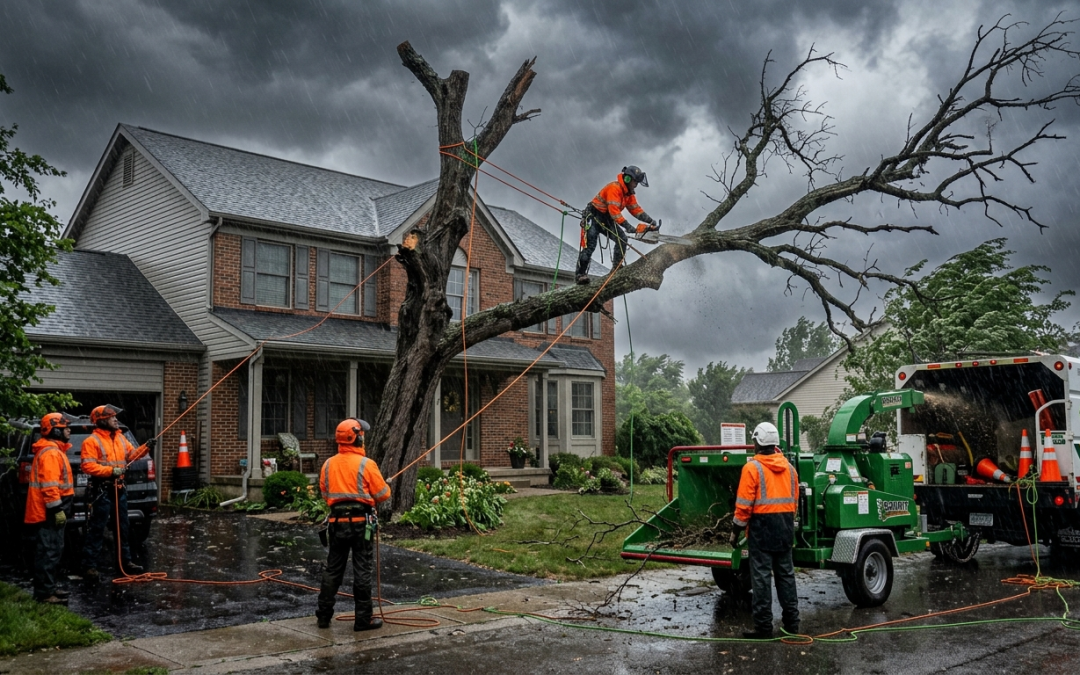
Trees are an important part of any landscape. They provide shade, improve air quality, and enhance the beauty of homes and gardens. However, when a tree becomes dead or severely weakened, it can turn into a serious safety risk—especially during storm season.
Many homeowners underestimate the danger of leaving dead trees standing on their property. While they may appear harmless at first, dead trees are structurally unstable and can easily fall during heavy rain, strong winds, or storms.
Removing dead trees before storm season is not just about maintaining a clean landscape—it is a critical safety measure that helps protect property, people, and surrounding structures.
What Is a Dead Tree?
A dead tree is a tree that has lost all its living tissue and is no longer capable of growth or recovery. Unlike healthy trees, dead trees no longer have strong internal structure or flexibility.
Common signs of a dead tree include:
- No leaves during growing season
- Brittle or dry branches
- Cracked or peeling bark
- Hollow trunk or visible decay
- Fungal growth at the base
- No new buds or growth
Once a tree is dead, its structural integrity begins to weaken over time, making it increasingly dangerous.
Why Dead Trees Become Dangerous During Storm Season
Storm season brings strong winds, heavy rainfall, and unpredictable weather conditions. Healthy trees are designed to bend and absorb wind pressure, but dead trees behave differently.
Dead trees are:
- brittle
- dry
- weak at the core
- less flexible
Because of this, they are more likely to break or fall completely during storms.
Even moderate wind can cause large branches or the entire tree to collapse.
Risk of Property Damage
One of the biggest risks of leaving dead trees near homes or buildings is property damage.
A falling tree can cause:
- roof damage
- broken windows
- damaged fences
- destroyed vehicles
- structural impact on buildings
Repairing storm damage is often far more expensive than preventive tree removal.
In many cases, a single dead tree can cause thousands of dollars in damage within seconds.
Safety Risks to People
Dead trees are not just a property risk—they are also a serious safety hazard.
During storms, falling branches or trees can injure:
- homeowners
- children playing outside
- neighbors
- pedestrians
Because tree failure during storms is often sudden and unpredictable, it leaves very little time to react.
Removing dead trees before storms significantly reduces the risk of injury.
How Storms Speed Up Tree Collapse
Storm conditions place extreme pressure on weak trees.
Factors that increase risk include:
Strong Winds
High wind speeds push against tree trunks and branches, causing weak structures to snap.
Heavy Rain
Soaked soil reduces root stability, making it easier for trees to uproot.
Saturated Ground
When soil becomes soft, even slightly unstable trees can fall over.
Dead trees already lack strong internal structure, so these conditions make collapse even more likely.
Warning Signs That a Tree Should Be Removed
Homeowners should watch for early indicators that a tree is no longer safe.
Key warning signs include:
- large dead branches in the canopy
- trunk cracks or splits
- mushrooms or fungi growing at the base
- leaning tree structure
- hollow sound when tapping the trunk
- excessive dry leaves or no leaves at all
If multiple signs are present, the tree may already be unstable and should be inspected by a professional.
Why Early Removal Is More Cost-Effective
Many homeowners delay removing dead trees to save money. However, delaying removal can lead to higher costs later.
Early removal helps prevent:
- emergency tree cutting during storms
- property repair costs
- insurance claims
- cleanup expenses after storm damage
Preventive maintenance is always more affordable than emergency response.
Professional Tree Removal Is Important
Removing a dead tree is not always simple. Large trees or trees near structures require proper equipment and expertise.
Professional tree removal services ensure:
- safe cutting techniques
- controlled tree dismantling
- minimal risk to surrounding property
- proper disposal of debris
- efficient removal process
Attempting to remove large dead trees without proper tools can be dangerous.
Benefits of Removing Dead Trees Before Storm Season
Improved Safety
Eliminates risk of falling trees during storms.
Property Protection
Reduces chances of structural and vehicle damage.
Better Landscape Appearance
Removes unsightly dead trees and improves overall garden condition.
Healthier Surrounding Trees
Prevents pests and diseases from spreading to healthy trees.
Peace of Mind
Homeowners can enter storm season without worrying about tree hazards.
How to Prepare Your Property for Storm Season
In addition to removing dead trees, homeowners should:
- trim overgrown branches
- inspect tree stability
- remove weak limbs
- clear surrounding debris
- maintain regular garden upkeep
These steps help reduce overall storm risk and improve landscape safety.
Conclusion
Dead trees are more than just an aesthetic issue—they are a serious safety hazard, especially during storm season. Their weakened structure makes them highly vulnerable to wind, rain, and soil movement, increasing the risk of sudden collapse.
By removing dead trees early, homeowners can protect their property, ensure safety, and avoid costly damage caused by unexpected storms.
Regular tree inspection and timely removal are essential parts of responsible property maintenance, especially in areas prone to seasonal storms.
More Info
- https://gardeningtreecut.com/blog/
- https://gardeningtreecut.com/
- Tree safety guidelines
https://www.osha.gov/tree-care
FAQs
1. Why should dead trees be removed before storm season?
Dead trees are structurally weak and can easily fall during storms, causing property damage or injury. Removing them early helps prevent these risks.
2. How do I know if a tree is dead?
Common signs include no leaves, dry brittle branches, peeling bark, fungal growth, and a hollow trunk.
3. Can dead trees fall without warning?
Yes. Dead trees are unstable and may collapse suddenly during strong winds or heavy rain.
4. Is it expensive to remove a dead tree?
The cost depends on tree size and location, but it is usually cheaper than repairing storm damage caused by a fallen tree.
5. Should I hire professionals for tree removal?
Yes. Professional tree removal ensures safety, proper equipment use, and controlled cutting, especially for large or risky trees.