
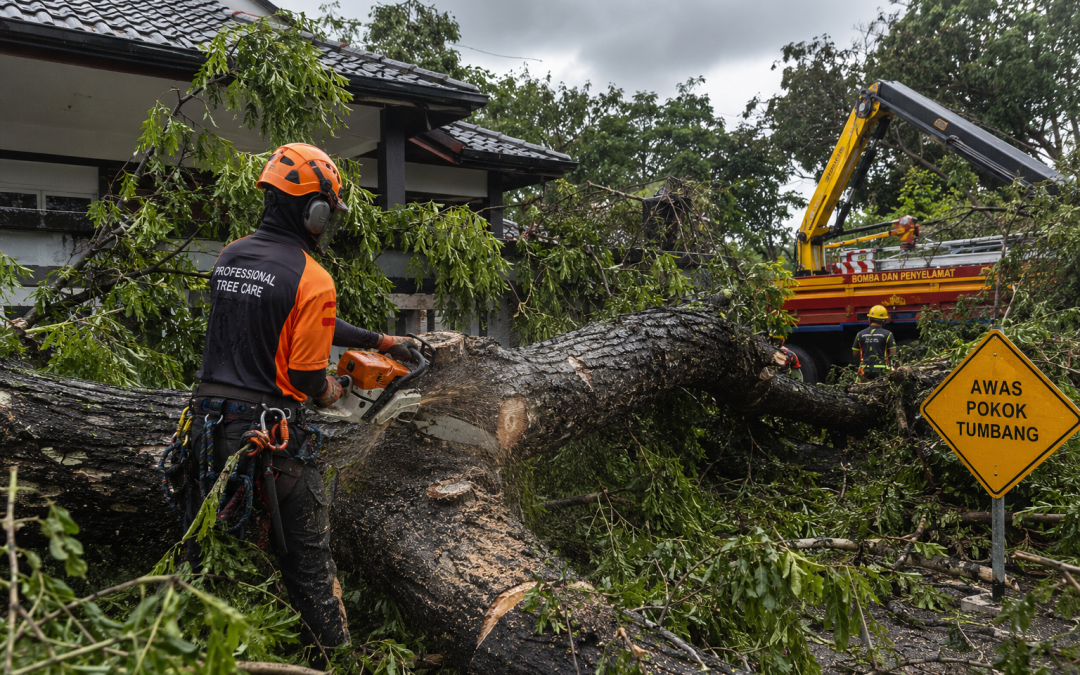
Malaysia experiences frequent heavy rain, strong winds, and seasonal storms that can cause unexpected damage to trees in residential and commercial areas. While trees are an important part of the environment, they can become dangerous when weakened by extreme weather conditions.
After a storm, many property owners may notice fallen branches, leaning trees, or even trees that have completely collapsed. In these situations, immediate action is often required to prevent further damage or safety risks.
This is where emergency tree removal in Malaysia becomes essential. It is not just a landscaping service but a critical safety response that helps protect lives, properties, and surrounding infrastructure.
Ignoring storm-damaged trees can lead to serious consequences, especially when structural instability is not visible at first glance.
How Storms Affect Trees in Malaysia
Malaysia’s tropical climate makes trees vulnerable to sudden and intense weather conditions. Strong winds, heavy rainfall, and unstable soil conditions can weaken tree structures over time.
During storms, trees may experience:
- broken branches
- uprooting
- trunk splitting
- root weakening
- soil erosion around roots
Even trees that appear stable after a storm may already be structurally compromised.
This hidden damage is often what makes post-storm tree situations dangerous, as trees may fall hours or even days after the weather has passed.
Why Emergency Tree Removal Becomes Necessary
Emergency tree removal is required when trees pose an immediate risk to people or property. Unlike regular tree maintenance, emergency situations demand fast response and professional handling.
Common situations that require urgent tree removal include:
- trees leaning dangerously toward buildings
- fallen trees blocking roads or driveways
- branches hanging over electrical lines
- trees damaging roofs or fences
- unstable trunks after storm impact
In these cases, delaying action may increase the risk of accidents or further structural damage.
Safety Risks of Leaving Storm-Damaged Trees
One of the biggest dangers after a storm is assuming a damaged tree is stable. Even if a tree is still standing, internal damage may not be visible from the outside.
Potential risks include:
1. Sudden Tree Collapse
A weakened tree may fall without warning, especially during continued rain or wind conditions. This can endanger people, vehicles, and nearby structures.
2. Falling Branch Hazards
Broken branches can remain suspended in the tree canopy after a storm. These branches may fall later, creating unexpected hazards.
3. Property Damage
Storm-damaged trees can cause:
- roof damage
- broken windows
- damaged vehicles
- fence destruction
Repair costs may increase significantly if the tree is not removed in time.
4. Electrical Line Risks
Trees near power lines can create serious safety hazards. Contact with electrical wires may lead to power outages or dangerous electrical incidents.
5. Obstruction of Access
Fallen trees may block:
- roads
- driveways
- emergency exits
- business entrances
This can disrupt daily activities and create safety concerns.
Why Professional Emergency Tree Removal Is Important
Emergency tree removal is not a simple task. It requires technical skill, proper equipment, and safety procedures to ensure controlled removal without causing additional damage.
Professional services are important because they provide:
Proper Risk Assessment
Experts can evaluate whether a tree is stable or likely to collapse. This helps determine the safest removal method.
Specialized Equipment
Emergency tree removal often requires tools such as:
- chainsaws
- lifting equipment
- ropes and rigging systems
- safety harnesses
Using the right equipment reduces risks during removal.
Controlled Removal Process
Professionals remove trees in sections when necessary to prevent damage to surrounding structures. This controlled approach is especially important in residential or urban areas.
Safety Compliance
Tree removal near buildings, roads, or electrical lines requires strict safety measures. Professional teams are trained to handle these situations responsibly.
Why Storm Damage Makes Trees Unpredictable
After a storm, trees may appear stable but actually have internal damage that is not visible externally.
Common hidden issues include:
- cracked trunks
- weakened root systems
- internal structural stress
- soil loosening around roots
These conditions make trees unpredictable and increase the risk of delayed collapse.
Because of this uncertainty, emergency inspection and removal are often necessary even if damage seems minor.
The Importance of Quick Response After Storms
Timing plays a critical role in emergency tree situations. The longer a damaged tree remains in place, the higher the risk of accidents.
Quick response helps:
- prevent further structural damage
- reduce safety hazards
- avoid costly repairs
- restore access to property
- ensure public safety
Delaying removal may also expose properties to additional risks during secondary weather conditions.
Residential Areas Are Especially at Risk
In Malaysia, many residential areas are surrounded by mature trees. While these trees provide shade and beauty, they can also become hazardous during storms.
Homeowners may face risks such as:
- trees falling onto houses
- blocked driveways
- damaged roofing structures
- blocked emergency access
Because homes are close to trees in many residential designs, emergency tree removal becomes especially important for safety.
Commercial Properties and Business Impact
Storm-damaged trees can also affect commercial areas such as:
- factories
- warehouses
- office buildings
- retail spaces
In business environments, fallen trees may:
- disrupt operations
- block deliveries
- create safety hazards for employees
- damage infrastructure
For businesses, emergency tree removal is not only about safety but also about minimizing downtime and operational disruption.
Preventing Future Tree Emergencies
While storms cannot be prevented, risks can be reduced through proper tree maintenance and inspection.
Preventive steps include:
- regular pruning of weak branches
- inspection of large trees near buildings
- monitoring root stability
- removing unhealthy or diseased trees early
Preventive care helps reduce the likelihood of severe damage during storms.
Why Professional Tree Services Are Often Required
Emergency tree removal involves high-risk conditions that are difficult to manage without experience.
Professional tree service teams provide:
- safer execution
- faster response time
- proper hazard control
- reduced property damage risk
In emergency situations, professional expertise is often necessary to ensure safe and efficient resolution.
Conclusion
Emergency tree removal is a critical safety service in Malaysia, especially after storms that can weaken or damage trees unexpectedly. While trees are valuable for the environment, storm-damaged trees can quickly become serious hazards if not handled properly.
Immediate action helps prevent property damage, personal injury, and disruption to daily life or business operations. Because storm damage is often unpredictable, professional assessment and removal are essential to ensure safety and stability.
Investing in timely emergency tree removal services is not just about landscaping maintenance—it is about protecting lives, property, and long-term safety.
More Info
- https://gardeningtreecut.com/blog/
- https://gardeningtreecut.com/
- Tree safety guidelines
https://www.osha.gov/tree-care
FAQs
1. Why is emergency tree removal needed after storms?
Because storm-damaged trees can become unstable and pose safety risks.
2. What are the signs a tree needs urgent removal?
Leaning trees, broken branches, or root damage are common signs.
3. Is it safe to remove storm-damaged trees yourself?
No. It is dangerous and should be handled by professionals.
4. Can trees fall after a storm is over?
Yes. Internal damage may cause delayed collapse.
5. How fast should emergency tree removal be done?
As soon as possible to reduce safety and property risks.