
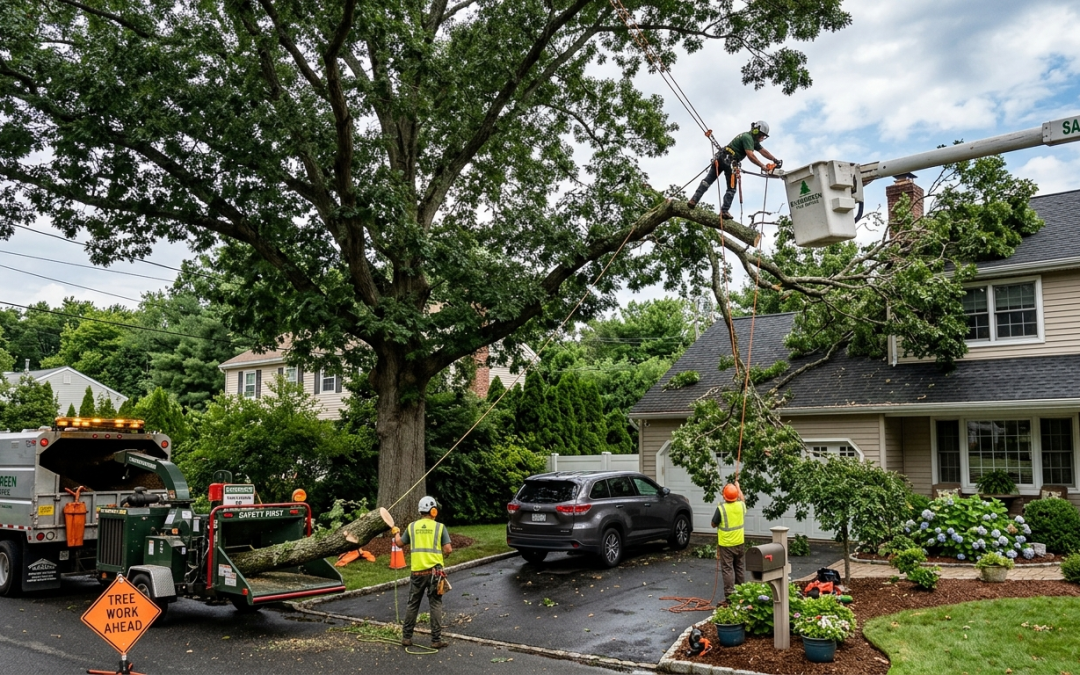
Trees add beauty, shade, and environmental value to residential and commercial properties. However, when trees are left unmaintained for long periods, they can become more than just an aesthetic concern. Overgrown trees may create hidden risks that affect property safety, building structures, landscaping, and even the well-being of occupants.
Many property owners focus on visible issues such as fallen leaves or untidy branches while overlooking the more serious problems developing above and below ground. As trees continue to grow, branches, roots, and dense canopies can create hazards that become increasingly expensive to address.
Understanding the risks associated with overgrown trees can help property owners take preventive action before minor concerns turn into major property problems.
What Are Overgrown Trees?
Overgrown trees are trees that have not received proper maintenance, pruning, or trimming for an extended period.
These trees may develop:
- excessively long branches
- dense canopies
- uncontrolled growth
- weakened limbs
- root expansion beyond intended areas
While mature trees naturally grow larger over time, lack of maintenance can increase the likelihood of safety and property-related issues.
Risk of Roof Damage
One of the most common hidden dangers of overgrown trees is roof damage.
Branches that extend too close to a building can:
- scrape roofing materials
- damage roof tiles
- wear down protective surfaces
- block roof drainage systems
During strong winds, large branches may strike the roof repeatedly, increasing the risk of structural damage.
In severe cases, heavy limbs may break and fall directly onto the property.
Regular tree pruning helps maintain a safe distance between trees and roofing structures.
Gutter and Drainage Problems
Overgrown trees often produce large amounts of leaves, twigs, flowers, and seed pods.
These materials can accumulate inside:
- gutters
- roof valleys
- drainage channels
- downpipes
Blocked drainage systems may cause water overflow during heavy rain.
Over time, this can contribute to:
- roof leaks
- water damage
- mold growth
- structural deterioration
Maintaining nearby trees helps reduce debris buildup and supports proper drainage performance.
Hidden Risks to Building Structures
Branches growing too close to walls and buildings can create ongoing maintenance issues.
Constant contact between tree branches and structures may result in:
- damaged paintwork
- scratched surfaces
- weakened exterior finishes
- moisture retention
Dense vegetation around buildings can also reduce airflow, creating damp conditions that encourage mold and mildew growth.
These issues can gradually affect both appearance and structural integrity.
Tree Roots Can Damage Property
While branches are often the most visible concern, tree roots can create equally serious problems underground.
As trees mature, root systems naturally expand in search of water and nutrients.
Large roots may affect:
- driveways
- walkways
- retaining walls
- drainage pipes
- foundations
Root-related damage often develops slowly and may remain unnoticed until repairs become necessary.
Regular inspections help identify potential root issues before significant damage occurs.
Reduced Visibility Around the Property
Overgrown trees can obstruct visibility in important areas.
This may affect:
- driveways
- entrances
- security cameras
- road access points
- pedestrian pathways
Poor visibility can increase the risk of accidents and reduce overall property security.
Proper trimming helps maintain clear sightlines and improves accessibility.
Increased Risk During Storms
Large, unmaintained trees are more vulnerable during severe weather conditions.
Overgrown branches can become unstable due to:
- excessive weight
- disease
- decay
- wind exposure
Storms may cause branches to break unexpectedly, creating hazards for:
- buildings
- vehicles
- power lines
- pedestrians
Preventive pruning reduces stress on tree structures and helps minimize storm-related risks.
Pest and Wildlife Concerns
Dense tree growth can create favourable environments for pests and unwanted wildlife.
Overgrown trees may provide shelter for:
- rodents
- insects
- birds
- termites
Branches touching roofs can also create pathways for pests to enter buildings.
Regular tree maintenance helps reduce these risks while improving overall property hygiene.
Safety Hazards for Occupants
Overgrown trees can present direct safety concerns for residents, visitors, and employees.
Potential hazards include:
- falling branches
- obstructed walkways
- reduced lighting
- hidden obstacles
Properties with neglected trees may experience increased liability risks if accidents occur.
Maintaining trees helps create a safer environment for everyone on the property.
Impact on Property Appearance
First impressions matter, especially for homeowners and businesses.
Overgrown trees can make a property appear:
- neglected
- poorly maintained
- difficult to access
In contrast, properly maintained trees enhance:
- curb appeal
- landscape appearance
- property presentation
For commercial properties, a well-maintained landscape can contribute to a more professional image.
Why Professional Tree Maintenance Matters
Professional tree care services provide expertise and equipment that help manage tree growth safely.
Services may include:
- tree pruning
- tree trimming
- branch removal
- risk assessments
- tree cutting
Professional maintenance helps identify hidden issues and ensures trees remain healthy while reducing property risks.
Benefits of Regular Tree Maintenance
Property owners who maintain their trees regularly often benefit from:
Improved Safety
Reduces the risk of falling branches and tree-related accidents.
Better Property Protection
Helps prevent damage to roofs, structures, and outdoor surfaces.
Healthier Trees
Proper pruning supports healthier growth and structural stability.
Enhanced Appearance
Maintains a tidy and attractive landscape.
Reduced Long-Term Costs
Preventive maintenance can help avoid expensive repairs and emergency tree removal.
More Info
https://gardeningtreecut.com/services/
Conclusion
Overgrown trees may appear harmless at first, but they can create numerous hidden risks that affect property safety, appearance, and structural integrity. From roof damage and blocked drainage systems to root intrusion and storm-related hazards, neglected tree growth can lead to costly consequences over time.
Regular tree maintenance plays an important role in protecting homes, buildings, and outdoor spaces. By addressing overgrown trees early, property owners can reduce risks, improve safety, and preserve the long-term value of their properties.
Investing in professional tree care today can help prevent major property problems in the future.
FAQs
1. Why are overgrown trees considered a property risk?
Overgrown trees can damage roofs, drainage systems, structures, and outdoor surfaces while also creating safety hazards.
2. Can tree roots damage foundations?
In some situations, large root systems may contribute to damage affecting foundations, walkways, pipes, and retaining walls.
3. How often should trees be trimmed?
The ideal schedule depends on tree species, size, growth rate, and location, but regular inspections are recommended.
4. Can overgrown trees increase storm damage risks?
Yes. Large branches and dense canopies are more vulnerable to strong winds and severe weather conditions.
5. Why should I hire professionals for tree maintenance?
Professional tree services help ensure safe pruning, proper growth management, and early identification of potential hazards.