
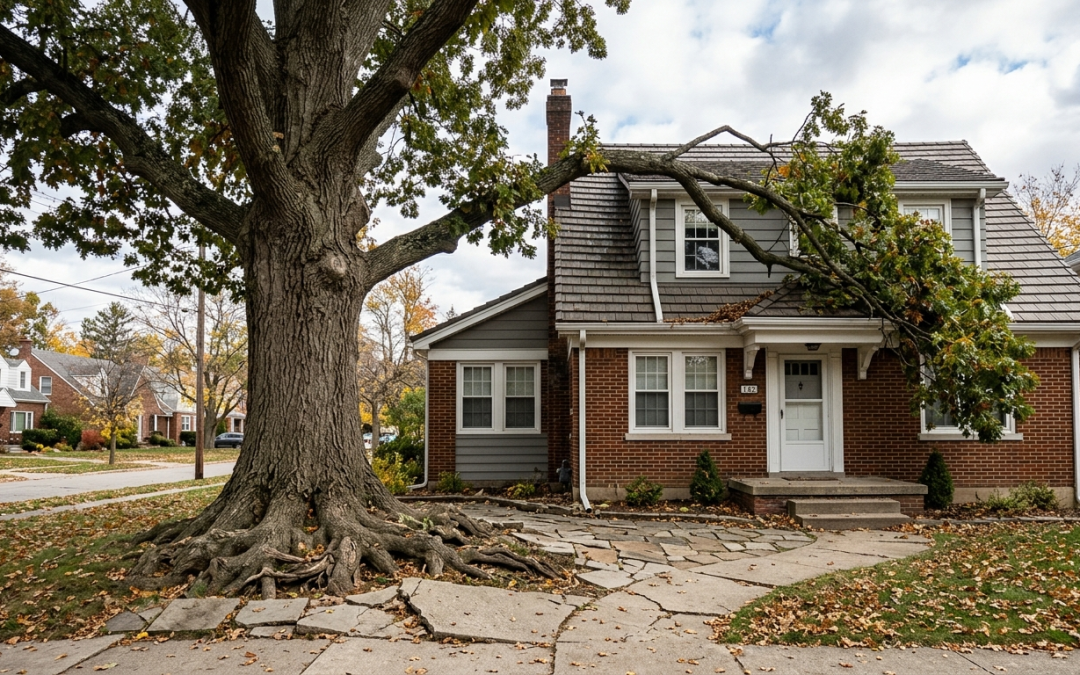
Prevent tree damage is something many homeowners only think about after a problem has already occurred, but taking proactive steps early can save significant time, money, and stress. Trees are valuable assets that enhance the beauty of a property, provide shade, and contribute to the environment, yet they can also become serious hazards if not properly maintained. From falling branches to invasive roots, tree-related issues can cause structural damage to homes, driveways, and surrounding landscapes if left unchecked.
In Malaysia’s tropical climate, where heavy rain and strong winds are common, the risk of tree damage increases even further. This makes regular inspection and preventive care essential for homeowners who want to protect their property while maintaining a safe and healthy outdoor environment. Understanding how to identify potential risks and take early action is the key to preventing costly repairs and ensuring long-term safety.
Understanding the Common Causes of Tree Damage
Tree damage often occurs due to a combination of natural and environmental factors that weaken the structure of a tree over time. Strong winds, storms, and heavy rainfall can put pressure on branches and roots, especially if the tree is already unhealthy or poorly maintained. In many cases, damage is not caused by a single event but by gradual deterioration that goes unnoticed until it becomes a serious problem.
Additionally, improper planting, lack of maintenance, and poor soil conditions can contribute to tree instability. Trees that are planted too close to buildings or underground structures may develop root systems that interfere with foundations and drainage systems. By understanding these common causes, homeowners can take preventive measures before the situation becomes dangerous or expensive to fix.
Early Warning Signs You Should Not Ignore
Recognizing early warning signs is one of the most effective ways to prevent tree damage before it escalates into a major issue. Visible signs such as cracked branches, leaning trunks, or decaying wood often indicate structural weakness that requires immediate attention. Even small changes in a tree’s appearance can signal underlying problems that may not be obvious at first glance.
In addition, root-related issues such as uneven ground, lifted pavements, or cracks in nearby structures can suggest that the tree’s root system is expanding in a harmful way. These warning signs should never be ignored, as they often worsen over time and increase the risk of sudden failure. Regular monitoring allows homeowners to address these problems early and reduce the likelihood of serious damage.
The Role of Regular Tree Maintenance
Consistent maintenance is one of the most effective strategies for preventing tree damage and ensuring long-term safety. Activities such as pruning, trimming, and removing dead branches help maintain the structural integrity of trees while reducing the risk of falling debris. Proper maintenance also promotes healthy growth, making trees more resilient to environmental stress.
Moreover, professional inspections can identify hidden issues that are not easily visible to the untrained eye. By scheduling regular maintenance, homeowners can ensure that their trees remain strong, balanced, and less likely to cause damage during adverse weather conditions. Preventive care not only protects property but also extends the lifespan of trees, making it a valuable long-term investment.
Choosing the Right Location for Tree Planting
Preventing tree damage begins even before a tree is fully grown, starting with proper planning and placement. Choosing the right location for planting is crucial, as it determines how the tree will grow and interact with its surroundings over time. Trees planted too close to buildings, fences, or utility lines can create problems as their roots and branches expand.
By selecting appropriate tree species and allowing enough space for growth, homeowners can minimize the risk of structural interference and future damage. Planning ahead ensures that trees can develop naturally without causing harm to nearby structures, making it easier to maintain a safe and balanced landscape.
When to Seek Professional Help
While basic maintenance can be handled by homeowners, certain situations require professional expertise to ensure safety and effectiveness. Trees that are large, unstable, or located near structures should be assessed by experienced professionals who have the tools and knowledge to handle complex issues. Attempting to manage these situations without proper training can increase the risk of accidents and further damage.
Professional services can provide accurate assessments, recommend appropriate solutions, and carry out necessary work safely. Whether it involves trimming, removal, or risk evaluation, seeking expert help ensures that the problem is addressed correctly and efficiently. This proactive approach helps prevent minor issues from turning into major hazards.
Conclusion
Prevent tree damage is an essential aspect of responsible property maintenance, especially in environments where weather conditions and rapid tree growth can increase risks. By understanding the causes of damage, recognizing early warning signs, and maintaining trees regularly, homeowners can significantly reduce the likelihood of costly repairs and safety hazards.
Taking preventive action not only protects property but also ensures that trees continue to provide their environmental and aesthetic benefits without becoming a liability. With proper planning, care, and professional support when needed, it is possible to maintain a safe and healthy landscape for years to come.
❓FAQs: Prevent Tree Damage
What are the main ways to prevent tree damage to property?
To prevent tree damage, homeowners should carry out regular tree maintenance such as pruning, trimming dead branches, and inspecting tree health. Additionally, planting trees at a safe distance from buildings and monitoring root growth can help reduce the risk of structural damage over time. Preventive care is always more effective than dealing with damage after it occurs.
How often should trees be inspected to avoid damage?
Trees should ideally be inspected at least once or twice a year, especially before and after storm seasons. Regular inspections help identify early warning signs such as weak branches, disease, or root issues that could lead to damage if left untreated.
Can tree roots damage house foundations?
Yes, tree roots can damage house foundations if they grow too close to structures. Roots can cause cracks in concrete, lift pavements, and interfere with drainage systems. Choosing the right planting location and monitoring root growth are key steps to prevent this type of damage.
What are the warning signs of a dangerous tree?
Common warning signs include leaning trees, cracked or dead branches, hollow trunks, and visible root damage. If any of these signs are present, it is important to take action quickly to prevent potential hazards to property and safety.
When should I hire a professional tree service?
You should hire a professional when dealing with large trees, trees near buildings, or situations involving structural risk. Professionals have the expertise and equipment to safely assess and manage tree-related issues, reducing the chance of accidents or further damage.
Does regular tree trimming really prevent damage?
Yes, regular tree trimming helps remove weak or dead branches that could fall during strong winds or storms. It also improves the overall structure of the tree, making it more stable and less likely to cause damage to surrounding areas.